Description
Pregabalin is a gabapentinoid drug used for the treatment of focal seizures and peripheral neuropathic pain. Sometimes, pregabalin is prescribed for the treatment of symptoms of multiple sclerosis, motor neurone disease, and menopause for people with breast cancer. Its main clinical effects are anticonvulsant (mostly used in focal onset seizures) and antihyperalgesic (reversing an increased pain sensitivity).
Desirable Effects
- Pain relief
- Sedative
- Relaxant
Undesirable Effects
- Headaches/dizziness
- Feeling/being sick
- Respiratory depression in combination with other depressants
What does it look like?
Tablets: White, elliptical/oval-shaped tablets are usually 600 mg or 800 mg
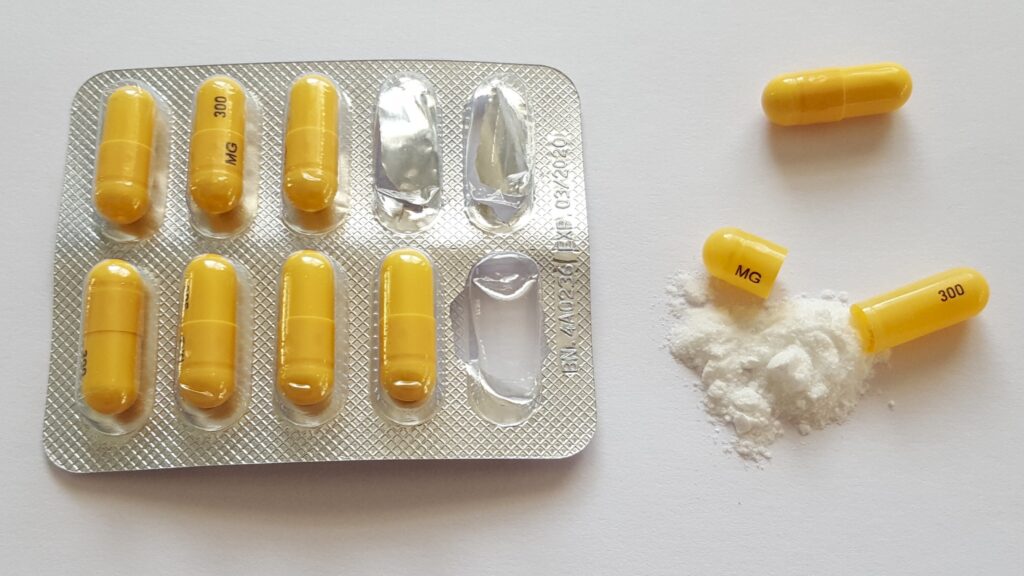
Capsules: White capsules are usually 100 mg, yellow capsules are usually 300 mg, orange capsules are usually 400 mg
Liquid solution: usually 50 mg in 1 mL of liquid
Method of Use
Orally: swallowed as a tablet/capsule, drunk as a liquid solution
Pharmacology
Similar to pregabalin, gabapentin produces anticonvulsant (mostly used in focal onset seizures) and antihyperalgesic (reversing an increased pain sensitivity) effects. These effects are a result of gabapentin’s action on calcium signals in the nervous system which are important in linking together the electrical and chemical messages in the brain, heart, and muscles.
Gabapentin is a longer onset, shorter acting gabapentinoid compared to pregabalin. The drug was originally designed to mimic the inhibitory neurotransmitter GABA. However, later research found that, unlike benzodiazepines and alcohol, gabapentin does not directly affect GABA receptors. Instead, gabapentin is thought to reduce the amount of calcium that enters neurons (nerve cells) through blocking α2δ-1/2 calcium channel subunits, leading to less neurotransmitter release, resulting in a reduction in seizures and pain signals in the brain.
Gabapentin’s antihyperalgesic effects are thought to be caused by a reduction in levels of calcium channel proteins in nerve cells, which increase after nerve damage leading to mild sensations feeling painful.
Gabapentin’s significant anticonvulsant properties are thought to involve regulation of calcium levels within nerve cells (neurons) and in the tiny gaps existing between neurons in the central nervous system (CNS) called ‘synapses’.
Its muscle-relaxant properties are thought to be caused by its inhibition of chemical pathways that ordinarily occur within the spinal cord.
Interactions
The combination of gabapentin with other depressants, such as opioids and benzodiazepines, is associated with an increase in respiratory depression and overdose. As opioid tolerance leads to more calcium channels in nerve cells, pregabalin has been shown to reverse opioid tolerance which can lead to accidental overdose. Drinking alcohol alongside taking gabapentin can lead to increased sedative effects on the brain and body.
History
Gabapentin was developed in 1976 by Gerhard Satzinger and colleagues at German pharmaceutical company Goedecke AG, where they were attempting to develop anti-epileptic drugs that mimicked the effects of the inhibitory neurotransmitter GABA. Gabapentin easily enters the brain and passes through the body unmetabolised, which was thought to make it an ideal drug with minimal side effects or drug interactions.
In 1993, gabapentin (Neurontin) was marketed for add-on treatment of epilepsy. By the mid-90s it was well known that anti-epileptics also improved treatment-resistant neuropathic pain. By 2001, 83% of Neurontin prescriptions were for non-epilepsy conditions that it was not approved to treat. As confidence in prescribing benzodiazepines for conditions such as epilepsy and anxiety decreased, gabapentinoid prescriptions rose to meet patients’ needs.
In the 2000–2010s, its inducement of physical dependence and respiratory depressant effects garnered increased attention. Growing concern around the non-prescribed use of pregabalin and gabapentin, particularly in Northern Ireland and prison populations, came as gabapentinoid-related deaths rose across the UK and Europe. This led to the NHS and Public Health England warning prescribers about these issues, although British doctors still issue over 7 million prescriptions for it per year.
Non-prescribed sales of gabapentin have increased to meet demands from people using the drug for a variety of reasons. These include use to induce the expected clinical effects, taking higher doses to achieve a ‘high’ or by those already with a dependency, combined use with other depressant drugs.
Law
Possible offences
- Possession
- Maximum sentence – 2 years/fine/both
- Possession With Intent To Supply
- Maximum sentence – 14 years/fine/both
- Supply (including being concerned in supply, conspiracy to supply, aggravated supply and offer to supply)
- Maximum sentence – 14 years/fine/both
- Production
- Maximum sentence – 14 years/fine/both
In practice maximum sentences are rarely used, for more detailed and accurate information go to our sentencing page.