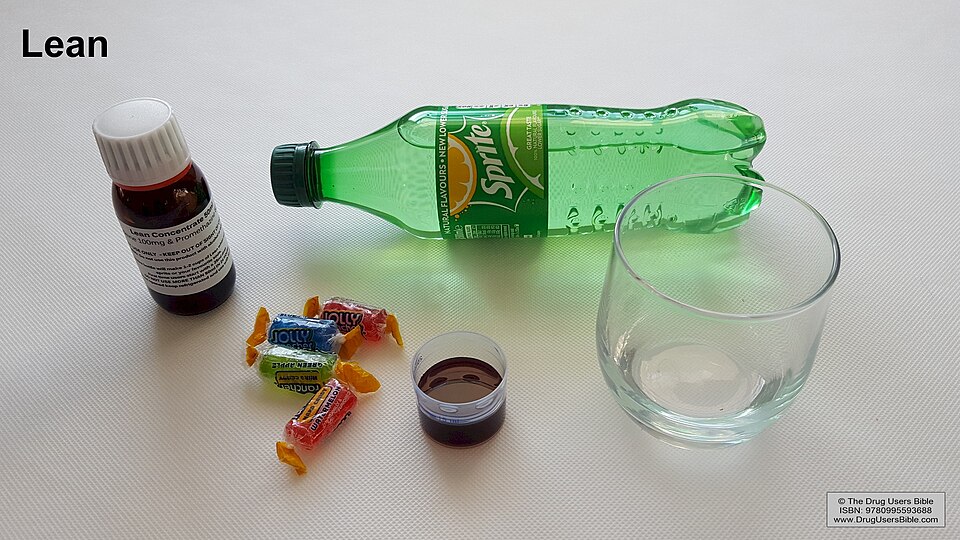
Description
Codeine is an opiate prescribed for the treatment of pain, coughing and diarrhoea. Codeine is closely related to morphine and comes from the opium poppy, but possesses around one fifth of the strength of morphine. It is still a very effective analgesic (pain killer). Codeine is one of the ingredients of ‘lean’ or ‘purple drank’ alongside promethazine, taken for its sedating properties.
Most mild pain killers contain small quantities of codeine, e.g. co-codamol. However, the formulations are too weak to be used in the treatment of dependence. Because they contain other drugs such as paracetamol and aspirin, it may be harmful to take them in sufficient quantities to feel the opioid effect of codeine, particularly due to hepatotoxicity from paracetamol.
Desirable Effects
- Pain relief
- Good for opiate detox/reduction
- Minor euphoric action
- Less stigmatised (compared to other opiates)
Undesirable Effects
- Very constipating (could be considered positive if suffering from IBS-type symptoms)
- Minimum euphoria compared with other options
- Dose conversion is difficult
- Urine tests as morphine/heroin
- Respiratory depression
What does it look like?
Its usual formulation is as codeine phosphate. These can come in tablets (prescription: 15, 30, and 60 mg), modified release tablets, syrup/linctus and ampoule (60 mg/mL) form. Tablets are usually small and white, but can appear in transparent capsule form. The liquid form appears as red/orange syrup-like substance (cough syrup: 15–25 mg/5mL).
Method of Use
Drunk: the cough syrup form is usually drunk
Swallowed: tablet form is swallowed
Pharmacology
Codeine is selective for the µ-opioid receptor, but with a much weaker affinity than morphine. At least some of the analgesic properties of codeine have been speculated to come from its conversion into morphine by the CYP2D6 liver enzyme, although the exact mechanism of analgesic action is less well understood than the more potent members of the opiate family. Around 10% of the population will experience less analgesia from codeine as a result of variations in CYP2D6 activity (Crews et al. 2011).
Codeine is absorbed from the gastrointestinal tract with maximum plasma concentration occurring 60 minutes post administration. Codeine is absorbed quickly from the GI tract and its first pass through the liver results in very little loss of the drug. This contrasts with morphine in which over 90% of the drug is metabolised in the first pass through the liver resulting in a considerable loss of potency when administered orally. This is why codeine is a common opiate in the relief of pain, the ease of oral administration.
Taking codeine in combination with other depressants can increase the risk of fatal overdose. Drinking alcohol or taking benzodiazepines, Z-drugs, or gabapentinoids alongside codeine can cause severe sedation and slow down breathing to dangerous levels. Naloxone is an opioid antagonist which can reverse the effects of opioid overdose: to find out more about how naloxone works, head to our Naloxone page.
History
The opium poppy has been cultivated and used throughout human history for a variety of medicinal (analgesic, anti-tussive and anti-diarrhoeal) and hypnotic properties linked to the diversity of its active components, which include morphine, codeine and papaverine.
The name codeine is derived from the Greek word kodeia (κώδεια) for “poppy head”.
Until the beginning of the 19th Century, raw opium was used in diverse preparations known as laudanum (with alcohol) and paregoric elixirs, a number of which were popular in England since the beginning of the 18th Century. The original preparation seems to have been discovered in the Netherlands around 1715 by a chemist named Lemort; in 1721 the London Pharmacopoeia mentions an Elixir Asthmaticum, replaced by the term Elixir Paregoricum (“pain soother”) in 1746.
Codeine was first isolated in 1832 by M. Robiquet, a French chemist and pharmacist while working on refined morphine extraction processes. This paved the way for the elaboration of a new generation of safer, codeine-based specific antitussive and antidiarrhoeal formulations, which in addition to the pain killing properties are still the main applications for the drug today.
Codeine is widely used in combination with other substances, for specific maladies. In some countries, cough syrups and tablets containing codeine are available without prescription; some are reported to buy codeine from multiple pharmacies so as not to arouse suspicion. In the 21st Century, the liquid combination of codeine with promethazine – colloquially known as ‘lean’ – gained cultural significance within the hip hop world.
Law
Possible offences
- Possession
- Maximum sentence – 5 years/fine/both
- Possession With Intent To Supply
- Maximum sentence – 14 years/fine/both
- Supply (including being concerned in supply, conspiracy to supply, aggravated supply and offer to supply)
- Maximum sentence – 14 years/fine/both
- Production
- Maximum sentence – 14 years/fine/both
In practice maximum sentences are rarely used, for more detailed and accurate information go to our sentencing page.